Digital Newsletter
Each week our editor Phil Alsop rounds up the most popular articles, videos and expert opinions. We compile this into a Digital Newsletter and send it straight to your inbox every week.
Digital Magazines
We'll let you know each time a new edition of Digitalisation World is released so that you're always kept up-to-date with the latest and greatest news and press releases.
Video Magazines
The Digitalisation World Video magazine contains the latest Zoom interviews with experts in the industry.
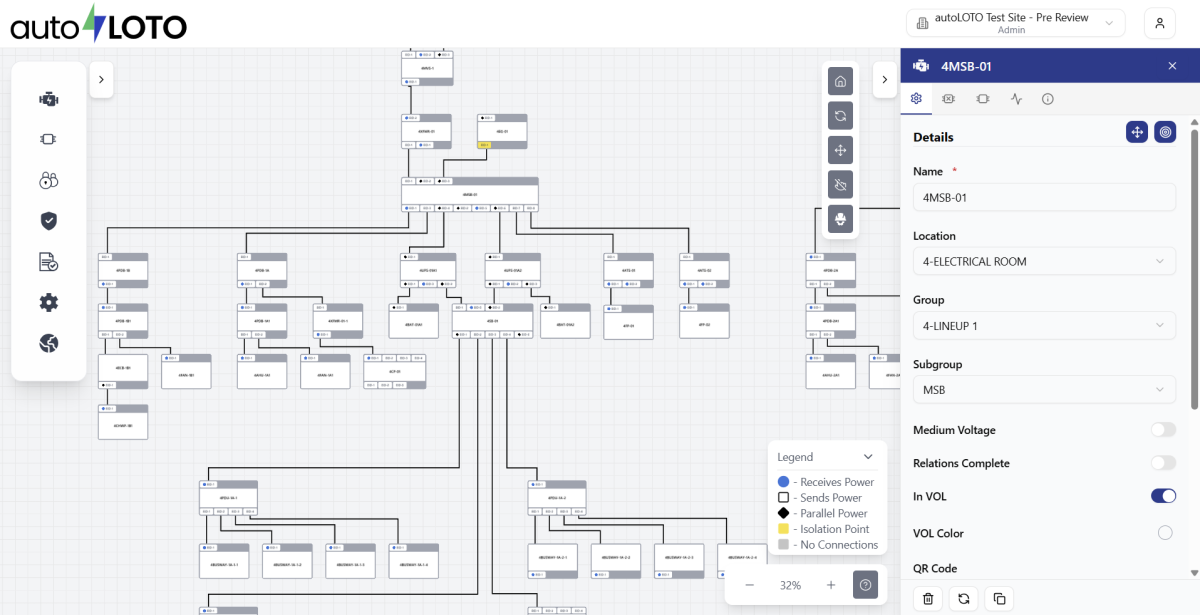
MCIM, a platform for operational intelligence in mission-critical environments, has formed a partnership with autoLOTO, a provider of digital Lockout/Tagout (LOTO) solutions. The collaboration introduces a digital governance layer that links hazardous energy management with operational intelligence in live AI/HPC environments.
In AI/HPC facilities, a procedural error during hazardous energy isolation can cause operational disruptions, affect service level agreements (SLAs), and pose safety risks. Electrical injuries in such environments can result in financial impacts exceeding £1 million.
Traditional handoff gaps often mean safety execution data stops at the commissioning phase and is not integrated into operational systems. The partnership aims to addresses this by:
This integration aims to provide traceability, audit documentation, workflow governance, and executive oversight across portfolios. It aims to support AI/HPC operators managing high-density infrastructure at a pace that conventional models may not accommodate.
The collaboration also helps maintain operational continuity and safety by:
MCIM’s partnership with autoLOTO complements its alliance with Salute, contributing to a broader governance framework for AI/HPC infrastructure. The combined approach aims to integrate safety during construction, operational oversight, and portfolio intelligence to meet the requirements of high-density, scalable AI/HPC facilities.

“In AI/HPC infrastructure, safety decisions made during construction have long-term operational consequences,” said Russell Lidie, Chief Revenue Officer at autoLOTO. “Integrating autoLOTO with MCIM ensures verified hazardous energy management becomes part of the operational foundation on day one.”
“AI/HPC operators are scaling faster than traditional operating models were built to support,” said Monty Blight, Executive Director of Partnerships and Growth at MCIM. “By aligning digital LOTO execution with structured operational intelligence, we’re strengthening the governance layer that high-density infrastructure requires.”