Digital Newsletter
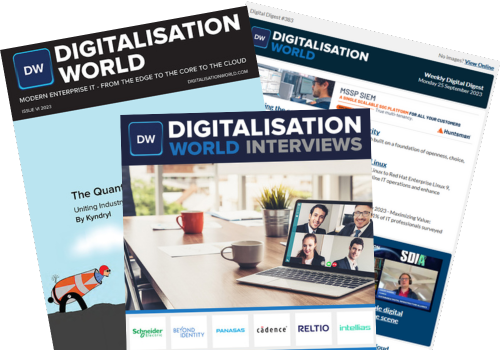
Each week our editor Phil Alsop rounds up the most popular articles, videos and expert opinions. We compile this into a Digital Newsletter and send it straight to your inbox every week.
Digital Magazines
We'll let you know each time a new edition of Digitalisation World is released so that you're always kept up-to-date with the latest and greatest news and press releases.
Video Magazines
The Digitalisation World Video magazine contains the latest Zoom interviews with experts in the industry.
New research from Pearson highlights the necessity of aligning technology investment with continuous employee development to unlock AI's economic promise. The report, Mind the Learning Gap: The Missing Link in AI’s Productivity Promise, released at the World Economic Forum’s Annual Meeting, suggests that incorporating AI into jobs, rather than replacing workers, could add up to $6.6 trillion to the US economy by 2034.
Despite substantial investments in AI infrastructure, tangible productivity gains remain elusive beyond specific areas like coding. Businesses often target AI investments at workforce reduction, exacerbating workplace uncertainties. Pearson’s research indicates a significant learning gap inhibiting AI's full potential both for companies and employees.
Pearson CEO Omar Abbosh highlights the transformative potential of AI, stressing the importance of human skill development to support employees and optimise ROI. The company's analysis shows that the absence of necessary skills to interact effectively with AI technologies could hinder businesses from realising desired outcomes.
Pearson’s roadmap proposes a shift from traditional tech implementation to a model where skill-building accompanies technological deployment. Entitled the DEEP Learning Framework, it offers companies four actionable steps:
The report warns that without addressing the human aspect, businesses may miss out on productivity gains. As AI use surges past one billion users in three years, the pace of skill development lags, accumulating emotional and economic strain due to job losses and competitiveness decline. The World Economic Forum predicts that by 2030, 59% of the global workforce will require reskilling.
These findings are derived from a comprehensive analysis leveraging Pearson’s Faethm data, encompassing industry literature and expert opinions, demonstrating the economic and organisational impacts of AI-augmented work and the steps needed to bridge the pressing learning gap.